
Helping Improve the Lives of People and Pets
Supporting Critical Medical And Veterinary Research
Animals play essential roles in protecting and saving lives worldwide. Marshall BioResources raises dogs, cats, ferrets, and minipigs for important scientific, medical, and veterinary research conducted by our customers. We do not conduct any pharmaceutical or medical device research, including discovery- or safety-related studies.
For more than 85 years, Marshall has earned the trust of the medical and healthcare communities by upholding high standards across all aspects of our work. This is rooted in our hard-working and dedicated staff and how we provide humane, ethical care for our animals.
Good animal practices translate to good science—we go to great lengths to not only comply with all laws and regulations, but also to set new operating standards. By doing so, we continue to serve a vital role in advancing public health and veterinary medicine for humans and animals around the globe.
Marshall
BioResources
AT A GLANCE
Founded: 1939
Location: North Rose, N.Y.
Employees: 200+
Animals:
- Marshall Beagle®
- Marshall Cat®
- Marshall Ferret®
- Göttingen Minipig®
Website: marshallbio.com
Contact: infous@marshallbio.com
Animal Research Is Essential To Safety
To meet the highest safety standards for both people and animals, studies involving animals remain indispensable. Animals are only used when there are no validated non-animal alternatives, and dogs, cats, minipigs, and ferrets are among the least used species in animal research.
Claims that animal research is no longer necessary often overlook important scientific and regulatory realities. While technological alternatives are gaining ground—progress we support—none can yet fully replicate complex biological systems found in people and animals, and current scientific and regulatory standards still require animal studies in many areas of medical and veterinary research.
Before veterinary medicines, vaccines, therapies, and nutritional products can be approved for pets, animal health regulators commonly require safety and efficacy studies to be conducted in the species for which the products are intended.
For humans, animal species with physiological similarities are primarily used in safety research to help researchers understand how new treatments behave within a whole, living body before human clinical trials can begin.
Prioritizing Animal Well-being In Carefully Maintained Facilities
At our licensed facilities in upstate New York, animals are housed in separate buildings, grouped by species, age, sex, and weight to support appropriate socialization and individualized care. Our animal care practices are designed to promote health and safety.
Key elements of our care include:
- Enclosures designed to provide space for exercise, behavioral enrichment, and positive social interaction among animals
- Daily interaction and gentle handling by trained caregivers
- Daily spot cleaning and complete sanitization of kennels every two weeks
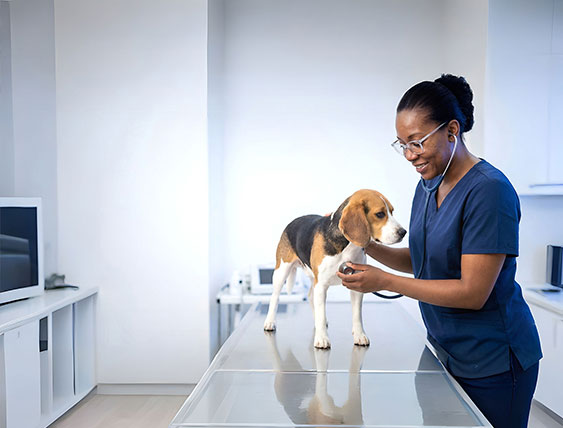
- On-site veterinary staff available daily, with after-hours support as required by law
Animals Play A Vital Role In Modern Medicine
Marshall animals have contributed to breakthroughs that change the face of public health, medicine, and veterinary care, including:
- The approval and availability of pet medications to treat parvo, distemper, heartworm and fleas, as well as chronic conditions like diabetes and cancer
- The development of insulin used by more than 200 million diabetics
- The invention of the defibrillator to restore human heartbeats
- Helping to ensure 22 of the 25 most prescribed drugs in the United States are safe and effective, including those used to treat depression, asthma, high blood pressure, infections, and more
According to the Foundation for Biomedical Research, 70% of HIV/AIDS medications, 67% of cholesterol-lowering drugs, and half of heart disease and depression medications used today were developed thanks to research dogs.
Commitment To Rigorous Standards And Oversights
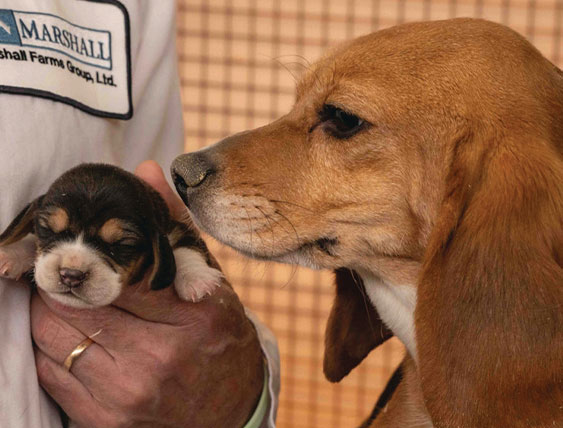
Breeding animals for use in medical research is strictly regulated by the U.S. Department of Agriculture (USDA) and Marshall facilities are regularly inspected to ensure compliance with its standards.
We also maintain voluntary accreditation under AAALAC International—a private, nonprofit organization that promotes the humane treatment of animals in science with standards often stricter than federal law. In addition, our programs have earned ISO 9000 certification, which requires adherence to rigorous quality, legal, and regulatory benchmarks.
Advancing Research Responsibly
Marshall BioResources has long advocated for discovering replacement research methods, including having introduced the Göttingen Minipigs® to the U.S. In addition, we support groups such as The 3Rs Collaborative, which helps scientists replace animal models, reduce the number of required animals, and refine care standards.
The future of medical and veterinary progress depends on balancing scientific advancement, patient safety, and responsible animal care. Marshall is committed to supporting that progress through ethical practices, regulatory compliance, and continued investment in innovation.